Revisiting the Issue of Overbooking Flights
Overbooking of flights has been something we all know about, yet seems to go on relatively unnoticed. The recent debacle on the now infamous United Airlines flight has once again brought the issue to the forefront of people's minds. It brings to mind the legalities and economics of such policies, not to mention the human factor. Whether or not the airline in question was in the right or not is unclear. However, the treatment of the passenger was, to say the least, reprehensible. Should airlines continue this practice? What can you do about it and how can you take advantage of it?
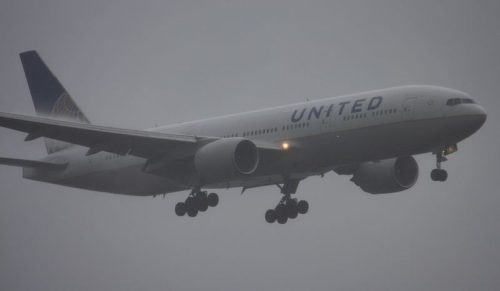 The removed passenger incident has left United in the midst of a PR disaster. Photo - Andrew Thomas (Flickr)
Why Airlines Overbook (a more in-depth look)
We have been told countless times by airlines that there are always people that don't turn up for their flight. It has been drummed into the public's ears for decades and continues to be the preferred excuse. The business of running an airline is undeniably tough. There is such a fine line between profit and bankruptcy that airlines turn to any method possible to keep the money coming (and staying). From narrower seats to lighter rivets to strictly monitoring levels of fuel and water, there is nothing airlines won't do to ensure a positive cash flow. It is now more and more common for things like luggage and food to have a charge assigned to them. Even cabin luggage does not escape the accountant's attention all the time. A full plane is certainly reason for celebration (except for passengers) and airlines' CEO's do everything in their power to make sure of it. Things get a bit muddy though when everyone does indeed turn up for their flight. Suddenly, a full flight turns into a headache and compensating "volunteers" becomes the focus. It's a surprise that such incidents as the one mentioned don't happen more often. Therefore, it's questionable why they still want to risk such tactics for a shortcut to profits. The question also comes to mind whether it is right to do it at all. Legalities and economics aside, surely the human factor comes into play. In this day and age, more and more people are flying for other reasons than leisure. There are a lot of people moving about for a particular purpose, and often that means they HAVE to be on that flight. On top of this, is it even right to sell something that essentially doesn't exist? I suppose banks do it with money, but it becomes more audacious when the product is more tangible, like a seat on a flight. Surely there are laws that prevent other businesses from being dishonest and selling more than they have? Are airlines not exposed to such regulations? There are other reasons though, that make the overbooking scenario more reasonable. As was the case in the United Airlines fiasco, there were crew members that needed to be transported in the last minute for operational reasons. Another scenario might see an aircraft requiring last-minute maintenance, with only smaller aircraft immediately available. The removed passenger incident has left United in the midst of a PR disaster. Photo - Andrew Thomas (Flickr)